What Is a Building Management System (BMS)?
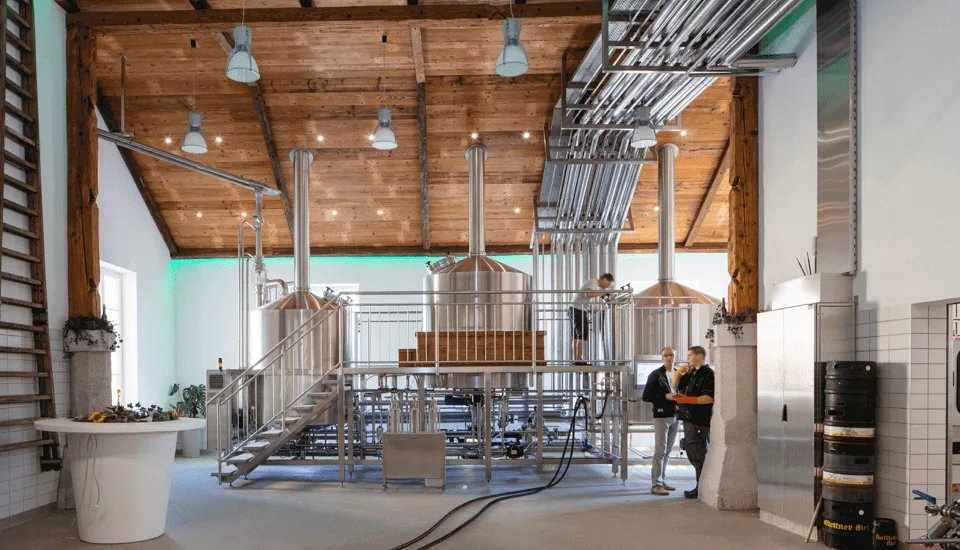
A Building Management System (BMS) is a centralised platform that monitors, controls, and optimises a building’s core systems such as lighting, power, security, and energy usage. It acts as the control center of a commercial building, ensuring everything operates efficiently, safely, and automatically.
BMS technology is widely used in commercial buildings, including offices, hospitals, shopping centers, warehouses, hotels, and educational facilities.
Thermal Imaging Inspections for Insurance & Risk Reduction:
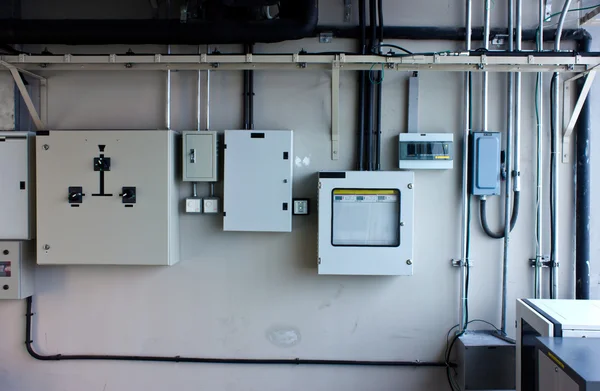
Thermal imaging is an effective, non-intrusive method used to identify hidden electrical issues that may pose a risk to your building or invalidate insurance coverage. As commercial electricians, we carry out thermal imaging inspections to detect abnormal heat patterns in electrical systems, helping to identify overloaded circuits, loose connections, failing components, and imbalanced phases before they lead to equipment failure or fire.
How Does a Building Management System Work?
A Building Management System works by connecting physical building equipment to intelligent software through a network of sensors and controllers.
Here’s how it functions:
Sensors collect real-time data such as temperature, occupancy, energy use, and air quality
Controllers analyse the data and trigger automated actions
BMS software displays system performance on a dashboard for facility managers
This allows operators to monitor and adjust building systems from one interface, often remotely.
For organisations looking to go beyond basic monitoring and into advanced automation, we also provide comprehensive Smart Building Automation System solutions tailored to commercial facilities. These systems integrate BMS functionality with advanced controls, data analytics, remote monitoring, and flexible user interfaces that deliver real-time insight and automation across your entire estate.
A Building Management System offers a wide range of benefits for commercial buildings, starting with improved energy efficiency by automatically adjusting HVAC, lighting, and electrical systems based on occupancy, schedules, and environmental conditions, which helps reduce energy consumption and operating costs. It provides centralised control by allowing all building systems to be monitored and managed from a single dashboard, making day-to-day operations and maintenance more efficient.
A BMS also enhances occupant comfort by optimising temperature, airflow, and lighting levels, leading to increased productivity and satisfaction. In addition, it improves safety and regulatory compliance by enabling real-time monitoring of fire, security, and electrical systems. Finally, the system supports predictive maintenance by analyzing performance data to detect potential faults early, reducing unexpected downtime and costly repairs.
Resources on Building Management Systems
For readers who want to explore Building Management Systems in more detail, the following trusted industry resources provide additional technical insights, best practices, and standards related to building automation and energy efficiency:
ASHRAE (American Society of Heating, Refrigerating and Air-Conditioning Engineers) – Industry standards for HVAC and building controls
International Electrotechnical Commission (IEC) – Electrical and automation standards relevant to BMS installations
CIBSE (Chartered Institution of Building Services Engineers) – Best practices for building services and management systems
Energy.gov – Building Technologies Office – Information on smart buildings and energy management strategies
These resources help building owners, facility managers, and electrical professionals better understand how Building Management Systems support efficient, safe, and future-ready commercial buildings.
Industry-Leading Building Management Technology
As commercial electricians, we work closely with a wide range of Building Management Systems and control platforms. One of the leading manufacturers in this space is Schneider Electric, whose UK Building Management solutions are widely used across commercial and industrial buildings. Their systems are designed to integrate lighting, HVAC, power monitoring, and automation into a single, reliable platform, making them a strong choice for modern BMS installations and upgrades.
Schneider Electric’s Building Management technology is built with scalability, energy efficiency, and long-term reliability in mind—key factors we consider when installing or upgrading BMS infrastructure. These systems also support seamless integration with existing electrical and mechanical services, helping ensure safe operation, compliance with UK standards, and efficient system performance.
Learn more about the type of Building Management platforms we commonly install and support, view Schneider Electric’s UK Building Management Systems
Smart Building Automation with Loxone
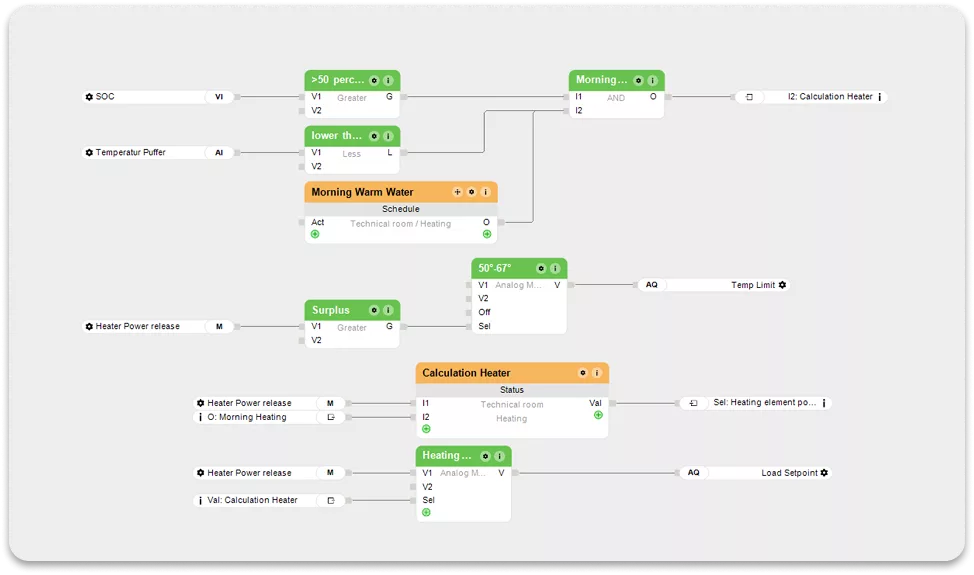
Loxone’s BMS platform transforms how commercial buildings, from offices and hospitality venues to industrial facilities, are managed and controlled. At the heart of every installation is the Loxone Miniserver, a powerful automation engine that intelligently processes complex logic, enabling fully customised and scalable solutions for virtually any application.
What Loxone’s BMS Can Do
Automated Lighting Control — Intelligent control of indoor and outdoor lighting ensures spaces are always properly lit when needed and powered down when not, reducing wasted energy.
Climate & Temperature Management — Continual monitoring and control of heating, cooling and ventilation systems improves occupant comfort and optimises energy use.
Access & Security — The BMS integrates access control and security systems, giving facilities managers real-time control over who can enter restricted areas.
Energy Monitoring & Management — All consumption data is recorded and visualised so inefficiencies can be identified and costs reduced — helping deliver a fast return on investment.
Holistic Integration — Lighting, HVAC, security, blinds, shading and more are all controlled from one unified platform, simplifying operations and improving reliability.