
Electrical Panel Upgrade: Everything UK Businesses Need to Know
Your commercial electrical panel upgrade is one of the most important investments you can make for the safety, efficiency, and reliability of your business’s electrical systems. Whether you’re running an office, hospital, manufacturing facility, or university, a properly designed electrical panel ensures your operations run smoothly without costly downtime.
In this guide, we’ll cover everything from the 80% rule to types of commercial electrical panels, factors affecting installation costs, and tips for choosing the right contractor for your project.
What is the 80% Rule for Electrical Panels?
The National Electrical Code (NEC) by the National Fire Protection Association (NFPA) provides a guideline known as the 80% rule. This rule recommends that circuit breakers should not be loaded to more than 80% of their rated capacity for continuous loads.
Why does this matter? Operating beyond this limit increases the risk of overheating, tripped breakers, or even electrical fires. Following the 80% rule helps ensure your panel operates safely and can handle future growth in your electrical demands.
How Much Does a Commercial Electrical Installation Cost?
One of the most common questions we get at DB Site Services is: “How much will this cost?”
Unfortunately, there’s no simple answer. The cost of a commercial electrical installation depends on a range of factors, including:
Project Size
Bigger buildings require more wiring, panels, circuits, sockets, and lighting. Longer installation times mean higher labour and material costs.
Commercial Building Purpose
Electrical loads vary by sector. An office requires different calculations and equipment than a manufacturing facility, hospital, or university. Lighting, machinery, and specialised equipment all affect the total cost.
Electrical Design Complexity
A commercial electrical design outlines circuits, fuse sizes, socket placements, lighting, panels, and distribution boards. More complex designs naturally increase costs.
Wiring and Cable Choices
The length, type, and size of cables, plus containment solutions like conduits or trunking, influence costs. Multi-floor buildings or specialist setups may require more extensive cabling.
Fixtures and Fittings
Switches, sockets, lighting, panels, and switchboards all have variable costs. High-quality parts are essential for long-term reliability and safety.
Site Conditions
Difficult access, confined spaces, existing structures, or hazardous environments may require specialist equipment and additional labour.
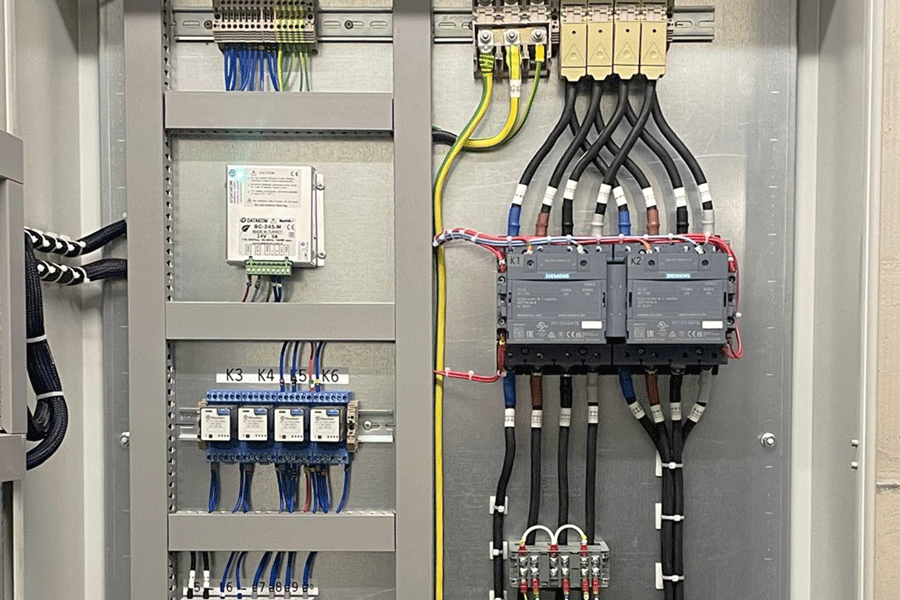
Choosing the right contractor can significantly impact both the cost and outcome of your project. Experienced contractors are able to anticipate potential issues, preventing costly delays, while the size of their workforce matters for larger projects, as smaller contractors may need to hire temporary labour, which can affect quality and reliability.
Additionally, specialised sectors such as healthcare, transport, or manufacturing may require contractors with specific skills or equipment. Project timescales also play a role—urgent projects often necessitate overtime or expedited materials, increasing costs.
Finally, environmental considerations, such as incorporating energy-efficient solutions like LED lighting or smart controls, may raise upfront expenses but provide long-term savings and operational benefits.
Get a Cost Estimate for Your Project
Thinking about upgrading your commercial electrical panel? Getting a detailed cost estimate is simple. Submit your project details, and the friendly team at DB Site Services will call to discuss your needs and provide a tailored quote.
When it comes to any commercial electrical installation, working with a reliable electrical contractor near me is crucial. A local, experienced contractor can assess your building’s specific electrical needs, recommend the right panels and wiring solutions, and ensure your installation complies with UK safety standards.
By choosing DB Site Services as your nearby contractor, you benefit from faster response times, easier access for ongoing maintenance, and the assurance that someone familiar with local regulations and conditions is managing your project. Whether you’re upgrading a main panel, adding sub panels, or installing specialised control systems, a trusted local contractor ensures your business stays powered efficiently and safely, minimising downtime and protecting your investment.