

Thermal Imaging Inspections for Insurance Compliance in London
Many UK insurers now require thermal imaging inspections as part of their risk assessment and ongoing policy compliance, particularly for commercial buildings, rental properties, warehouses, factories, and HMOs. Our Level 2 certified thermographers deliver insurer-ready thermal imaging inspection reports for commercial and industrial properties across London, with reports delivered within 72 hours.
Contact us via out booking form today or call 020 8455 9020 to get an insurer-ready report.
What's Included in Our Thermal Imaging Inspection for Insurance
- On-site electrical thermal imaging inspection of electrical distribution boards and associated systems carried out by Level 2 certified thermographers.
- Identification of overheating components, with fault severity assessed to highlight immediate and developing risks.
- High-resolution thermal images captured and clearly explained, showing abnormal heat patterns and affected areas.
- Thermographic survey insurance report in London will detail all findings, risk levels, and supporting thermal imagery — delivered within 72 hours.
- Practical recommendations for remedial work, prioritised to help you address issues efficiently and meet thermal imaging insurance compliance.
- Level 2 thermographic inspection report for insurers suitable for submission to insurance providers, risk assessors, and facilities management teams.
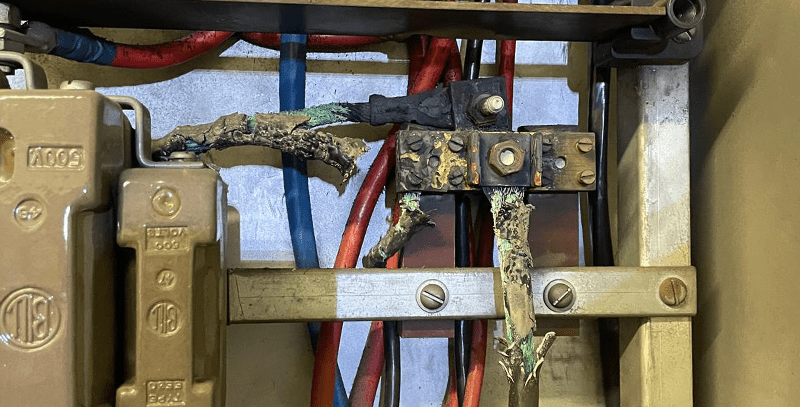
What Is an Electrical Thermal Imaging Inspection for Insurance?
- Loose or overloaded connections
- Imbalanced electrical loads
- Failing components
- Deteriorating cables or breakers
- Potential fire hazards
Project Spotlight: Thermal Imaging Survey — The Barbican, London
The Barbican Water Fountain is one of London’s most recognisable landmarks. DB Site Services were commissioned to carry out a thermal imaging survey of the electrical systems, identifying heat anomalies and fault risks using our Level 2 certified thermographers.
A full thermographic inspection report was delivered within 72 hours, providing the documented evidence needed for compliance and ongoing maintenance planning.

Who Needs Thermal Imaging for Insurance Compliance?
- Commercial property owners
- Landlords and letting agents
- Industrial units and warehouses
- Offices and retail premises
- Factories and manufacturing sites
- Schools, care homes, and public buildings
How Often Should Thermal Imaging Be Carried Out for Insurance Purposes?
- Annually for higher-risk environments
- Every 2–3 years for lower-risk commercial premises
- After major electrical changes or increased load demand
Thermal Imaging Insurance Inspections Across London
What Happens If You Don't Have a Thermal Imaging Inspection?
Commercial insurers are tightening their requirements. Properties without documented thermal imaging evidence are increasingly facing policy renewals being delayed, premiums being increased, or claims being disputed on the grounds of inadequate risk management. In the event of an electrical fire, the absence of a thermal imaging inspection record can give insurers grounds to challenge or refuse a claim entirely.
A thermal imaging inspection is no longer just good practice, for many commercial properties it is a policy requirement. Don’t wait until renewal to find out yours is one of them.
Call us on 020 8455 9020 to find out if your property needs an inspection before your next renewal date.